Easy Homemade Marinara Sauce – Taste the Difference
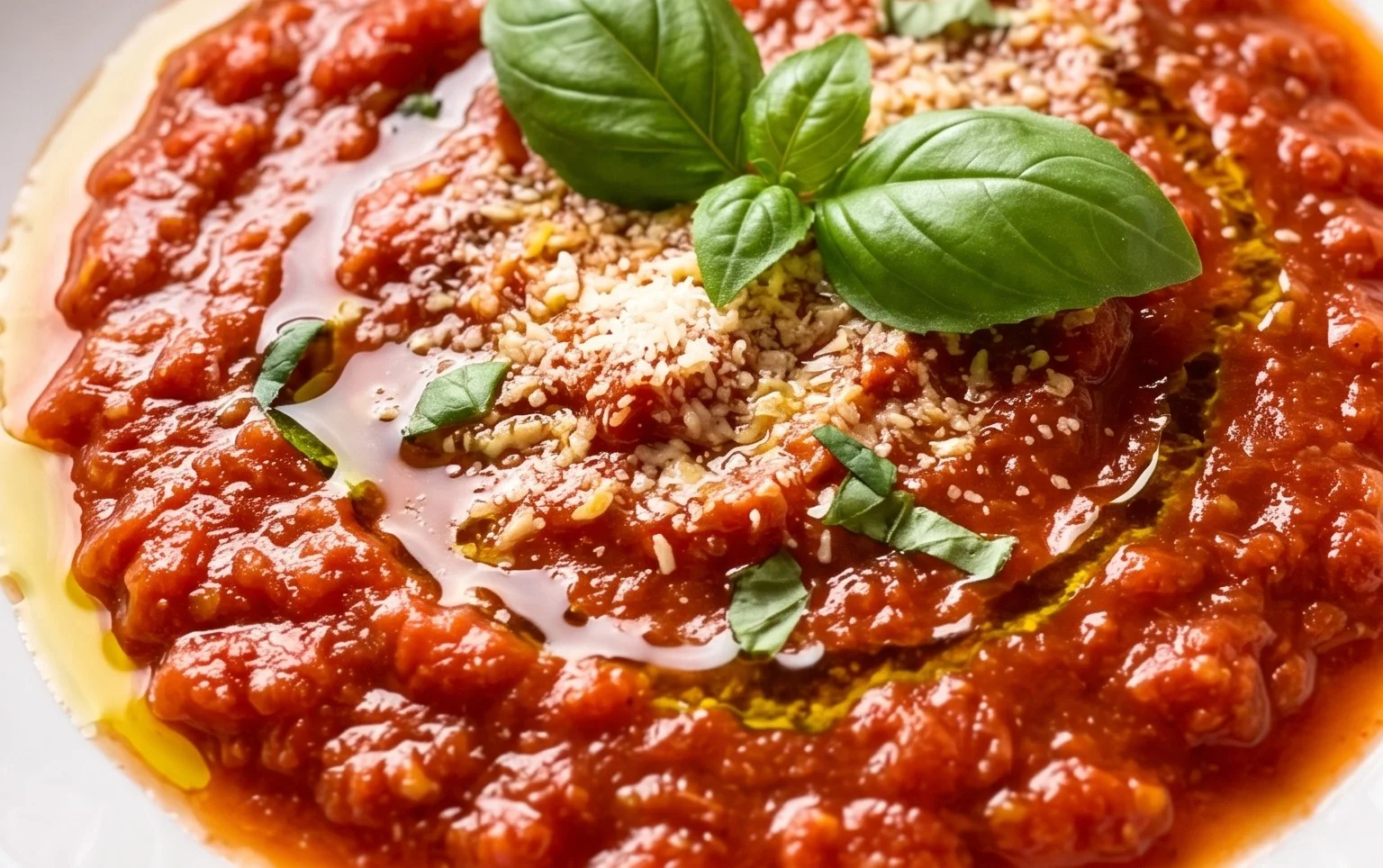
Homemade Marinara Sauce is more than just a condiment; it’s a hug in a bowl, a cornerstone of comfort food, and the secret weapon to elevating countless dishes from ordinary to extraordinary. Forget the jarred stuff – once you taste the vibrant, fresh flavors of truly homemade marinara sauce, there’s simply no going back. We all have those nights, right? When you crave a taste of pure, unadulterated Italian goodness, something that sings with the sweetness of ripe tomatoes, the warmth of garlic, and the fragrant whisper of basil. This recipe isn’t just about making sauce; it’s about unlocking that authentic, soul-satisfying flavor that has made marinara a beloved staple in kitchens worldwide. What makes our homemade marinara sauce so special? It’s the simplicity, the quality of ingredients, and the love you pour into it, transforming humble tomatoes into liquid gold.
Why You’ll Love This Recipe:
*Unbeatable Freshness*
*Customizable Flavor*
*Incredibly Versatile*

Homemade Marinara Sauce
There’s something incredibly satisfying about making your own marinara sauce from scratch. Forget those store-bought jars with their sometimes-unpronounceable ingredients and less-than-vibrant flavors. My homemade marinara sauce is a simple yet incredibly rewarding culinary project that will elevate everything from your spaghetti to your pizza. It’s a cornerstone of so many delicious dishes, and once you’ve tasted the difference fresh ingredients make, you’ll wonder why you ever bought it pre-made. This recipe is wonderfully straightforward, relying on a few key, high-quality ingredients to create a sauce that’s rich, flavorful, and bursting with authentic Italian taste.
Ingredients:
- 2 Tablespoons Olive Oil
- 3 cloves garlic (minced)
- 28 oz. plum tomatoes
- 1 bay leaf
- 1 teaspoon Italian seasoning
- 3-4 tablespoons fresh parsley (roughly chopped)
- ¼ teaspoon salt
Cooking Instructions
This recipe is designed to be as accessible as possible, perfect for both seasoned home cooks and those just dipping their toes into making sauces from scratch. The beauty of this marinara lies in its simplicity and the quality of the ingredients. We’re aiming for a sauce that’s bright, herbaceous, and deeply satisfying.
Phase 1: Building the Flavor Base
1. Begin by heating the olive oil in a large saucepan or Dutch oven over medium heat. You want the oil to be shimmering but not smoking. This gentle heat is crucial for coaxing out the best flavor from your aromatics without burning them. Add the minced garlic to the warm oil. Stir the garlic constantly for about 1 to 2 minutes, until it becomes fragrant. Be careful not to let it brown, as burnt garlic can impart a bitter taste to your sauce. We’re looking for a beautiful golden hue and a wonderful aroma that signals the start of something delicious. This step is all about creating a foundational layer of savory goodness that will permeate the entire sauce.
Phase 2: Introducing the Tomatoes and Simmering
2. Once the garlic is fragrant, it’s time to introduce the star of our show: the plum tomatoes. You can use whole canned plum tomatoes, crushing them with your hands as you add them to the pot, or if you’re using fresh, ripe plum tomatoes, you’ll want to blanch, peel, and then crush them. Using canned is perfectly acceptable and often more convenient, especially when fresh, in-season tomatoes aren’t readily available. The crushing action releases their juices and starts the saucy transformation. Add the bay leaf to the pot; this unassuming leaf imparts a subtle, earthy depth to the sauce as it simmers. Stir everything together to combine.
3. Bring the sauce to a gentle simmer. Once it’s simmering, reduce the heat to low, cover the pot loosely (leaving a small gap for steam to escape), and let it cook for at least 30 minutes. The longer you simmer, the more the flavors will meld and deepen. I often let mine go for an hour or even a bit longer for a truly rich sauce. This slow simmering process allows the tomatoes to break down further, creating a thicker, more cohesive sauce, and it gives the bay leaf ample time to infuse its subtle aroma. It’s during this stage that the sauce truly transforms from a collection of ingredients into a harmonious blend of flavors. Stir occasionally to prevent sticking and ensure even cooking.
Phase 3: Finishing Touches and Flavor Enhancement
4. After the initial simmering period, it’s time to add the Italian seasoning. This dried blend typically includes basil, oregano, thyme, and rosemary, providing those classic Italian herb notes that are essential to marinara. Stir it in thoroughly. Now, for the fresh parsley. This is where the sauce really brightens up. Add the roughly chopped fresh parsley to the pot. The parsley not only adds a beautiful green fleck to the sauce but also contributes a wonderful, fresh herbaceousness that cuts through the richness of the tomatoes. Stir it in and let it simmer for another 5-10 minutes, allowing the parsley’s flavor to infuse into the sauce without becoming overcooked and losing its vibrancy.
5. Finally, taste your marinara sauce. This is the most crucial step for personalization. Add the ¼ teaspoon of salt. Stir well and taste again. Does it need a touch more salt to bring out the sweetness of the tomatoes? Perhaps a pinch of sugar if your tomatoes were a bit tart? You can also add a pinch of red pepper flakes at this stage if you prefer a little heat. Once you’re happy with the seasoning, remove and discard the bay leaf. The bay leaf has done its job and can now be removed. Your homemade marinara sauce is ready to be enjoyed!
This homemade marinara sauce is incredibly versatile. It’s perfect tossed with your favorite pasta, as a base for lasagna or baked ziti, as a dipping sauce for mozzarella sticks or breadsticks, or even spread on homemade pizza. The vibrant taste and delightful aroma will convince you that making marinara from scratch is always worth the effort. Store any leftovers in an airtight container in the refrigerator for up to 4-5 days, or freeze it for longer storage. Enjoy the fruits of your labor!
Conclusion:
There you have it – your guide to creating the most delicious homemade marinara sauce! This recipe is a true winner because it allows you to control every ingredient, ensuring a fresh, vibrant flavor far superior to anything store-bought. The beauty of this simple yet rewarding process is that it transforms humble tomatoes into a versatile culinary staple. Imagine the aroma filling your kitchen as it simmers, promising a delightful meal. This homemade marinara sauce is incredibly versatile, perfect for classic spaghetti, baked ziti, dipping garlic bread, topping pizzas, or even as a base for your favorite chicken or eggplant parmesan. Don’t be afraid to experiment! Stir in a pinch of red pepper flakes for a little heat, add a splash of red grape juice for depth, or incorporate fresh basil and oregano right at the end for an extra burst of herbaceousness. I truly encourage you to give this recipe a try; the satisfaction of creating such a fundamental and delicious sauce from scratch is incredibly rewarding.
Frequently Asked Questions:
Can I freeze this homemade marinara sauce?
Absolutely! This marinara sauce freezes beautifully. Allow it to cool completely, then store it in airtight containers or freezer bags, leaving a little headspace for expansion. It can be kept in the freezer for up to 3-4 months.
How long does this sauce last in the refrigerator?
Properly stored in an airtight container in the refrigerator, your homemade marinara sauce will stay fresh and delicious for about 5-7 days. Always check for any signs of spoilage before using.
What kind of tomatoes are best for this recipe?
While you can use canned whole peeled San Marzano tomatoes for exceptional flavor and texture, crushed tomatoes can also work well if you’re looking for a slightly smoother sauce. Fresh ripe tomatoes can be used in season, but you might need to adjust the cooking time to reduce excess liquid.
Homemade Marinara Sauce
A simple and flavorful homemade marinara sauce perfect for pasta, pizza, and more.
Ingredients
-
2 Tablespoons Olive Oil
-
3 cloves garlic, minced
-
28 oz. plum tomatoes
-
1 bay leaf
-
1 teaspoon Italian seasoning
-
3-4 tablespoons fresh parsley, roughly chopped
-
1/4 teaspoon salt
Instructions
-
Step 1
Heat olive oil in a large saucepan over medium heat. -
Step 2
Add minced garlic and cook until fragrant, about 1 minute, being careful not to burn it. -
Step 3
Add the plum tomatoes (crushing them with your hands if whole) to the saucepan. Add the bay leaf and Italian seasoning. -
Step 4
Bring the sauce to a simmer, then reduce heat to low, cover, and cook for at least 20 minutes, stirring occasionally. -
Step 5
Remove the bay leaf. Stir in the fresh parsley and salt. Taste and adjust seasoning if needed. -
Step 6
For a smoother sauce, you can use an immersion blender or carefully transfer to a regular blender. Cook for an additional 5-10 minutes if desired.
Important Information
Nutrition Facts (Per Serving)
It is important to consider this information as approximate and not to use it as definitive health advice.
Allergy Information
Please check ingredients for potential allergens and consult a health professional if in doubt.